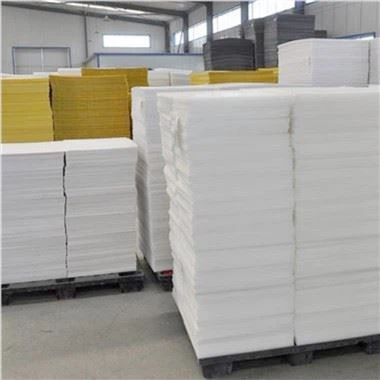
Plastbakkar eru endurnýtanlegir og umhverfisvænir
Dec 27, 2021
1. "Recycling plastic pallets can develop plastic pallets". "White pollution" is caused by the waste of plastic pallets. A large number of discarded plastic pallets are not recycled, and it is unacceptable to cause pollution to the environment. Some places and some industries reject plastic pallet products, which is enough to show the seriousness of the problem. Obviously, we have done a good job in recycling, eliminating pollutants, and turning waste into treasure, so that the plastic pallet industry can develop without any scruples. Many advantages of plastic pallets have been fully utilized in the packaging industry, in order to protect commodities. , Beautify the goods and reduce the loss caused by poor packaging.
Í öðru lagi, skipuleggja og stofna landssamtök um endurvinnslu plastbretta. Eins og er hafa samtök um endurvinnslu plastbretta verið stofnuð í Ameríku og Evrópu og átta lönd og svæði, þar á meðal Japan, Singapúr, Malasía, Suður-Kórea, Filippseyjar, Indónesía, Taíland, Taívan og Hong Kong hafa einnig tekið þátt undir Asískri endurvinnslu plastbretta. Félag. Helstu þátttakendur í endurvinnslusamtökunum eru framleiðendur hráefna og afurða plastbretta. Til þess að þróa eigin iðnað og í þágu þeirra og almennings verða þeir að standa sig vel í endurvinnslu á vörum sínum. Án þessa er engin önnur leið.
3. Taktu út endurvinnslukostnað plastbretta. Við ættum að læra af góðri reynslu annarra landa. Við sölu á hráefni og vörum úr plastbrettum ættum við að taka hluta af því fjármagni sem nauðsynlegt er til að endurvinna plastbretti. Í Evrópu þarf að greiða endurvinnslugjald að upphæð 0,1 mörk fyrir hvert kíló af plastbrettavörum. Í Kína, ef eitt kíló af RMB er innheimt sem endurvinnslugjald, verður endurvinnslugjald upp á 14 milljónir júana allt árið, auk ávinningsins sem myndast af endurvinnslu, svo að hægt sé að tryggja hnökralausa framvindu endurvinnslu plastbretta. fjárhagslega.
Fourth, the above work must be supported by the government, that is, legislation must be made. The production of plastic pallet foam requires legislation to charge; there are incentives to set up a collection of plastic pallets; the entire recycling process, until the scientific research and production process using waste foam, must be supported by national taxation. All in all, recycling waste foam plastics is a necessary implementation condition that is technically feasible and economically beneficial. And this work, as long as the understanding is consistent and the measures are solid, it can be done well. We can conclude that the plastic pallet industry must take the road of recycling. Only by doing a good job in recycling can we truly eliminate "white pollution". Only when recycling is concentrated can "pollution" turn waste into treasure, and ultimately promote a healthier development of the plastic pallet industry. With such a virtuous cycle, plastic pallets can become a good product for protecting the environment.